
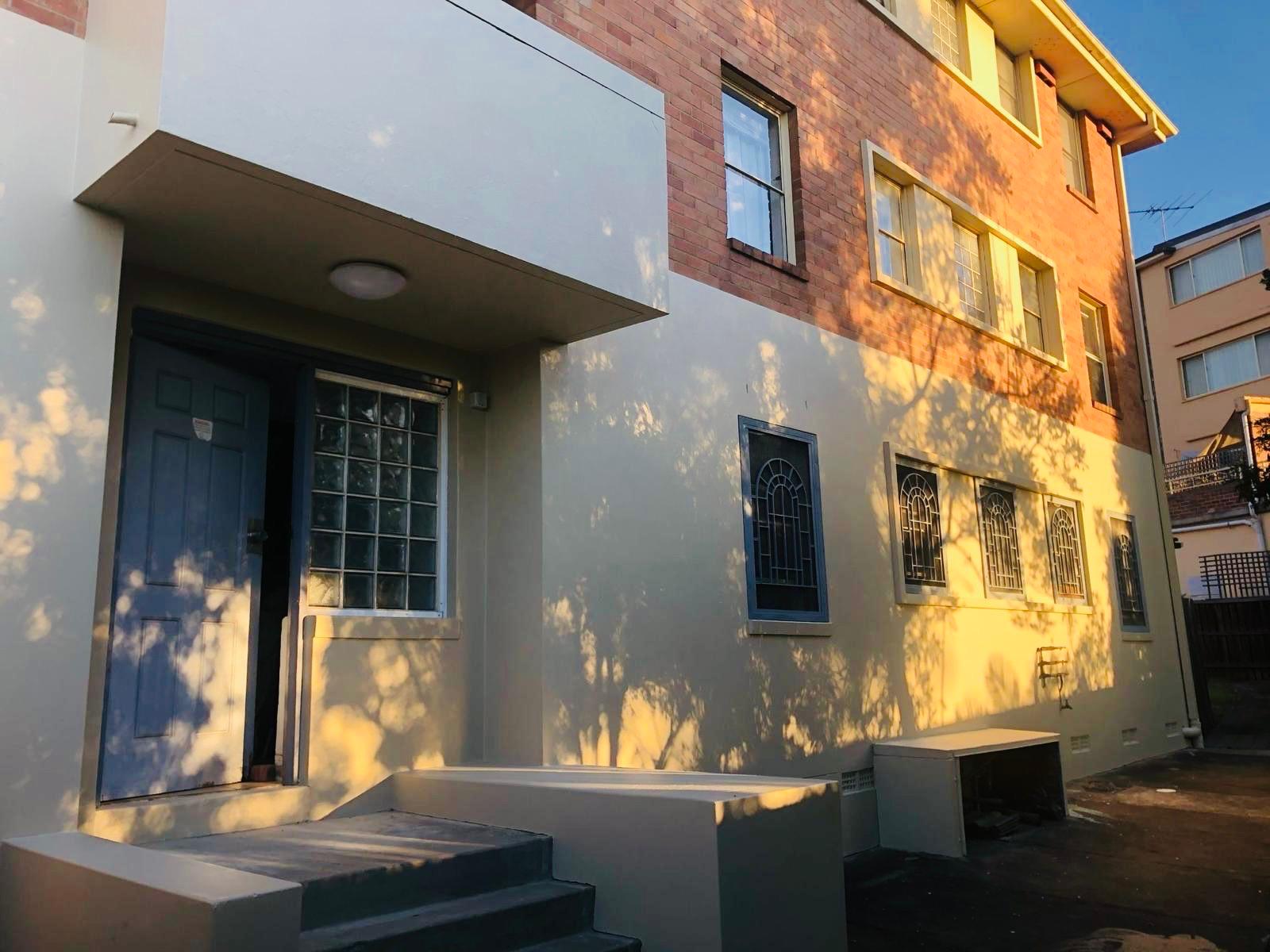
How to Paint a Wall: A Step-by-Step Guide for a Smooth Professional Finish
Painting a wall is one of the easiest and most affordable ways to refresh your home. Whether you want to update a bedroom, living room, office, or commercial space, learning how to paint a wall properly can make a huge difference in the final result.
Many people believe wall painting is simple, but achieving a smooth, professional finish requires proper preparation, the right tools, and correct painting techniques. In this guide, we’ll explain how to prepare and paint a wall step by step while avoiding common mistakes like roller marks, peeling paint, and uneven coverage.
Why Proper Wall Preparation Matters Before Painting
One of the biggest reasons paint jobs fail is poor preparation. Before opening a paint tin, you need to make sure the wall surface is clean, smooth, and ready for painting.
Learning how to prep a wall for painting helps:
- Improve paint adhesion
- Prevent peeling and bubbling
- Create a smoother finish
- Reduce the number of coats needed
- Increase paint durability
Professional painters always spend time preparing walls because preparation is just as important as the painting itself.
Tools and Materials You Need to Paint a Wall
Before starting, gather all painting supplies to make the process easier and more efficient.
Choosing the Right Paint
The type of paint you choose depends on the room and surface. Interior acrylic paints are commonly used because they dry quickly and are easy to clean.
Popular finishes include:
- Matte finish for low-reflection walls
- Low sheen for living areas
- Satin finish for durability
- Semi-gloss for kitchens and bathrooms
Brands like Dulux and Wattyl are widely used in Australia for residential and commercial painting projects.
Best Rollers and Brushes for Wall Painting
If you want to know how to paint a wall with a roller smoothly, selecting the correct roller nap is important.
You will need:
- Paint roller
- Paint tray
- Angled brush
- Painter’s tape
- Drop sheets
- Sandpaper
- Gap filler or wall patch compound
Microfiber rollers generally provide a smoother finish and help avoid roller marks.
How Much Paint Do You Need?
A common question is: how much paint do I need to paint a wall?
Most paint products cover around 12–16 square metres per litre depending on the wall texture and number of coats required.
Dark colours, textured surfaces, and patched walls often need additional coats.
How to Prepare a Wall for Painting
Proper preparation creates a cleaner and longer-lasting paint finish.
How to Clean a Wall Before Painting
If you skip cleaning, dust and grease can stop paint from sticking correctly.
To clean walls:
- Remove dirt and cobwebs
- Wash greasy areas with sugar soap
- Allow walls to dry completely
- Sand rough spots lightly
Many homeowners ask how to clean a painted wall without removing the paint. The safest method is using a soft sponge with mild detergent and avoiding excessive scrubbing.
How to Patch and Paint a Wall
Small holes and cracks should always be repaired before painting.
To patch damaged areas:
- Apply filler with a putty knife
- Allow it to dry
- Sand until smooth
- Apply primer if needed
Knowing how to patch and paint a wall properly helps prevent visible repair marks after painting.
How to Prep a Painted Wall
If you are repainting existing walls, lightly sand glossy surfaces first. This helps the new paint bond properly.
For walls with peeling paint, remove loose flakes completely before repainting.
How to Paint a Wall with a Roller
Once preparation is complete, you can begin painting.
How to Cut In When Painting a Wall
“Cutting in” means painting around edges, corners, ceilings, and trims before using the roller.
Use an angled brush to create neat edges around:
- Door frames
- Windows
- Corners
- Power points
- Ceiling lines
This step helps create a cleaner final appearance.
How to Avoid Roller Marks
Many beginners struggle with streaks and roller lines.
To avoid roller marks when painting a wall:
- Don’t overload the roller
- Use consistent pressure
- Work in sections
- Maintain a wet edge
- Roll in a “W” pattern
If done correctly, the wall will dry evenly with a smooth finish.
How Many Coats to Paint a Wall
Most walls need two coats of paint for proper coverage.
However, some surfaces may require:
- One coat for minor touch-ups
- Three coats for darker colours
- Primer plus two top coats for fresh plaster
Allow adequate drying time between coats.
How to Paint Different Types of Walls
Different surfaces require slightly different painting methods.
How to Paint a Brick Wall
When learning how to paint a brick wall, surface preparation becomes even more important because bricks are porous.
Steps include:
- Cleaning the brick thoroughly
- Repairing cracks
- Applying masonry primer
- Using exterior-grade paint
Brick walls often absorb more paint than smooth plaster walls.
How to Paint a Rendered Wall
Rendered walls should be fully cured before painting.
To paint rendered surfaces:
- Clean dirt and dust
- Repair hairline cracks
- Apply sealer if needed
- Use weather-resistant paint
Exterior rendered walls in Sydney benefit from UV-resistant coatings for long-term durability.
How to Paint a Feature Wall
A feature wall can add style and personality to a room.
Popular feature wall ideas include:
- Dark accent colours
- Textured paint finishes
- Two-tone designs
- Geometric patterns
Many homeowners now choose bold colours to create modern living spaces.
How Long Does Paint Take to Dry on a Wall?
Drying times depend on temperature, humidity, and paint type.
Typically:
- Touch dry: 1–2 hours
- Recoat time: 2–4 hours
- Fully cured: up to 7 days
Proper ventilation helps paint dry faster and reduces odours indoors.
Common Wall Painting Mistakes to Avoid
Even small mistakes can affect the final finish.
Avoid these common problems:
- Painting dirty walls
- Skipping primer
- Applying thick coats
- Using cheap rollers
- Not allowing proper drying time
- Overworking the paint
Professional painters focus on preparation and consistency to achieve smooth results.
When to Hire Professional Painters in Sydney
DIY painting works well for small projects, but larger jobs often require professional experience.
Hiring professional painters can help with:
- High ceilings
- Feature walls
- Commercial spaces
- Exterior painting
- Strata painting
- Decorative finishes
Experienced painters also save time and deliver cleaner finishes with less mess.
For homeowners and businesses in Sydney, professional painting services can improve property appearance and long-term protection.
Final Thoughts
Learning how to paint a wall properly can completely transform a space while improving the appearance and value of your property.
From wall preparation and patching to roller techniques and drying times, every step matters when aiming for a professional-looking finish.
Whether you’re repainting a bedroom, updating a feature wall, or refreshing an entire property, taking the time to prepare surfaces correctly and use quality materials will help you achieve better and longer-lasting results.

Leave a Reply